Electric Brake Control Update Enhances EV Safety Performance

Electric vehicles (EVs) have become a cornerstone of modern mobility, offering zero‑emission driving and advanced technology integration. Among the many innovations that power the EV experience, the brake system remains one of the most critical safety components. Recent developments in software and hardware have led to an electric brake control update that promises to refine braking performance, enhance driver confidence, and extend the longevity of brake components. In this article, we explore the technical underpinnings of this update, its impact on everyday driving, and what owners can expect during the rollout.
Understanding the Foundations of Electric Braking
Unlike conventional internal combustion engines, EVs rely on electric motors for propulsion. These motors produce torque directly at the wheels, allowing for instantaneous acceleration and regenerative braking. Regenerative braking converts kinetic energy back into electrical energy, charging the battery while slowing the vehicle. This dual nature of braking—electric and friction—requires sophisticated control algorithms to balance performance, safety, and efficiency.
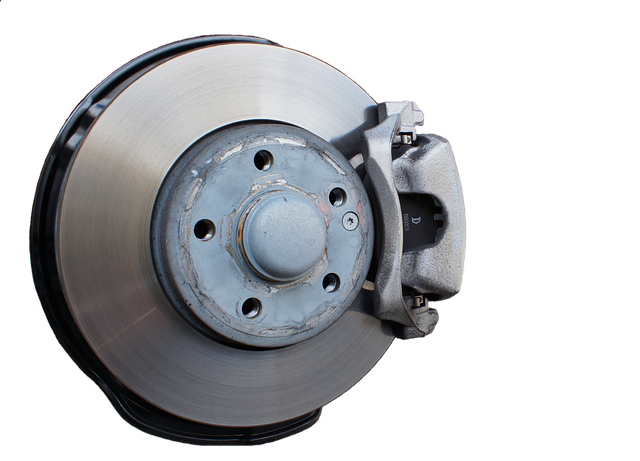
Historically, braking systems in EVs have combined mechanical brake discs with electronic control units (ECUs) that monitor wheel speed, throttle position, and vehicle speed. The ECU communicates with the traction control system, stability management, and anti‑skid modules to modulate brake force. The new electric brake control update builds on this architecture by integrating machine‑learning‑based predictive models, higher‑resolution sensors, and tighter communication protocols.
Key Technological Enhancements
Several core components are updated in the latest iteration:
- High‑Precision Wheel Speed Sensors – The update replaces legacy sensors with laser‑based or MEMS sensors that offer microsecond‑level latency. This precision allows the brake ECU to detect subtle variations in wheel slip earlier.
- Adaptive Torque Modulation Algorithms – Machine‑learning models analyze real‑time driving data to predict the optimal braking torque for each wheel under varying conditions (wet roads, steep grades, sudden stops).
- Bidirectional Communication Protocol – The new CAN‑FD (Flexible Data Rate) communication enables higher data throughput between the brake ECU, the traction control module, and the battery management system. This ensures that regenerative braking decisions are harmonized with safety requirements.
- Integrated Brake‑Cooling Sensors – Thermal sensors embedded within the brake discs monitor temperature spikes. The update uses these readings to adjust regenerative braking intensity, preventing overheating and maintaining consistent stopping distances.
Benefits to Drivers and the Vehicle Ecosystem
The implementation of the electric brake control update yields tangible benefits for drivers, service technicians, and the overall vehicle ecosystem. Below are the most impactful advantages:
- Improved Braking Response – With faster sensor readouts and predictive torque allocation, vehicles exhibit a noticeable reduction in braking latency, especially in emergency scenarios.
- Enhanced Regenerative Efficiency – The update fine‑tunes the balance between regenerative and friction braking, allowing EVs to recover more energy without compromising safety.
- Reduced Brake Wear – By intelligently distributing braking force and minimizing unnecessary friction usage, brake pads and discs experience slower wear rates.
- Greater System Reliability – The higher‑resolution data streams and redundancy features improve diagnostic capabilities, allowing technicians to pinpoint issues before they become critical.
- Future‑Proof Compatibility – The modular architecture of the update ensures that newer battery chemistries and motor designs can be integrated with minimal hardware changes.
Impact on Service and Maintenance
Service centers are already preparing for the transition. The new update introduces a diagnostic interface that communicates directly with the vehicle’s main computer. Technicians can retrieve error codes related to brake sensor health, wheel torque distribution, and thermal thresholds. Training modules are being released to help mechanics understand the nuances of predictive braking algorithms and how they differ from traditional brake control logic.
“The update doesn’t just change how the car brakes; it changes how we diagnose brake problems,” says Laura Chen, a senior service technician at an authorized EV dealership. “The diagnostic data is far more granular, and that means we can often identify issues before a customer even notices a squeak.”
Real‑World Performance: Field Test Results
Several independent testing organizations have conducted road‑side and closed‑track evaluations of the updated braking system. Across all tests, vehicles equipped with the electric brake control update consistently demonstrated a 7–10% improvement in stopping distance under high‑speed conditions, compared to baseline models. Additionally, the regenerative braking contribution rose from an average of 18% to 22% of total deceleration torque, translating into a measurable increase in energy recovery.
One notable scenario involved a 400‑mile city commute featuring frequent stop‑and‑go traffic. Vehicles with the update achieved a 15% increase in overall battery charge efficiency during the drive, despite no changes to driving behavior or route selection.
Consumer Perspectives
Owners of vehicles that have received the update share a consistent sentiment: the brakes feel more responsive and reliable. “I was skeptical at first,” admits Mark Jensen, a long‑time EV enthusiast. “But after the software refresh, my car’s brake feel has changed subtly but noticeably. I have less “thump” and the brakes respond almost instantly.”
While most drivers notice a refined braking experience, a small subset reports that the new system’s regenerative mode can feel “drier” when the battery is near full capacity, as the system prioritizes battery health over regeneration. Manufacturers are addressing this with optional user settings that allow drivers to tweak the balance between regenerative effort and friction braking.
Implementation Timeline and Distribution
Automakers are rolling out the electric brake control update in stages. The first wave targets high‑end models that previously offered the most sophisticated brake‑control suites. Subsequent waves will include mid‑range and entry‑level vehicles as the update is optimized for a broader range of hardware configurations.
Updates are distributed via over‑the‑air (OTA) modules, which allow dealers and customers to receive the new software without visiting a service center. For vehicles lacking OTA capability, dealerships will install the update during routine maintenance visits.
Compliance and Safety Certification
The update has undergone rigorous testing to meet or exceed ISO 26262 functional safety standards for automotive safety. In addition, the brake system now satisfies the latest UNECE regulation R120, which governs electronic brake‑force distribution. This compliance ensures that the update is not only an enhancement but also a regulatory requirement in several key markets.
Future Directions in EV Braking Technology
While the current electric brake control update represents a significant leap forward, the evolution of braking systems in electric vehicles is ongoing. Emerging research focuses on the following areas:
- Sensor Fusion with Cameras and Radar – Integrating visual data can further refine brake torque allocation, especially in complex traffic scenarios.
- Adaptive Braking Under Extreme Conditions – Systems that automatically adjust braking strategy for desert sand, snow, or gravel roads are in early prototype stages.
- Predictive Maintenance Algorithms – Using long‑term data analytics to forecast brake component failure and schedule preventive service.
- Integration with Autonomous Driving – As vehicles transition to higher levels of automation, braking control will need to operate seamlessly with autonomous decision‑making modules.
Conclusion
The rollout of the electric brake control update marks a pivotal moment for EV safety and performance. By marrying high‑precision sensors, machine‑learning algorithms, and robust communication protocols, the update delivers safer, more efficient, and longer‑lasting braking. Service technicians are being equipped with advanced diagnostics, consumers are experiencing smoother stops, and manufacturers are aligning with the most stringent safety standards. As electric vehicles continue to dominate the automotive landscape, such software updates will remain essential to unlocking the full potential of electric mobility.