
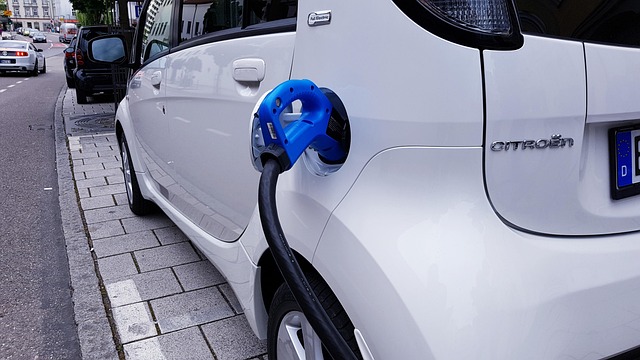
The Ultimate Guide to Charging Cable Houses for Electric Cars

Why the Humble Charging Cable House Matters in the World of Connectors
If you drive an electric car, you already understand that a single connector can mean the difference between a carefree commute and a frantic search for an available outlet. The component that shields that connector—known as the charging cable house—often hides in plain sight. Yet this small enclosure performs the unsung work of protecting conductors from heat, rain, winter salt, and repeated mechanical stress. Think of it as a garage for electrons, a sturdy capsule that guarantees every kilowatt-hour reaches your battery pack safely.
A Fresh Chapter in Car Parts History
In the heyday of internal combustion, drivers obsessed over spark plugs and carburetors. Today, conversations in car service lounges have pivoted to kilowatts, range anxiety, and software updates. While pundits endlessly debate battery chemistry breakthroughs, smart drivers monitor the physical wear of their connectors, especially the housing. This shift illustrates a growing truth in current car news: the engine might be shrinking in importance, but connectors and their shields are emerging as the new lifelines of mobility.
Inside the Charging Cable House
- Temperature-resistant shells: Crafted from glass-fiber-reinforced polymers, they maintain shape even when your garage thermometer swings from sub-zero to scorching heat.
- Integrated strain relief: By distributing tension, they spare delicate pins from the weight of the cable itself—an overlooked feature until a connector suddenly refuses to latch.
- Ingress protection seals: Silicone gaskets safeguard against moisture, road grit, and that splash of coffee you knocked over during a hurried unplug at 6 AM.
- Color-coded inserts: A quick visual cue that ensures compatibility with your vehicle’s onboard charger, critical when multiple EVs share a single wall box.
From the Engine Bay to the Driveway
Petrol heads once discussed valve timing and turbocharger spools; now EV enthusiasts swap stories about over-the-air firmware patches and connector upgrades. Curious how that relates to the charging cable house? Consider that even the most robust car engines required clean oil and proper filtering. Likewise, your sophisticated powertrain inverter relies on a pristine electrical pathway maintained by an undamaged housing. A frayed seal can invite condensation, corrode contacts, and silently throttle the 11 kW you expected down to a trickle.
Maintenance Tips from the Service Bay
Technicians in modern car service centers are armed with multimeters and thermal cameras rather than timing lights. Their checklist now includes:
- Inspecting every charging cable house for hairline cracks after seasonal temperature swings.
- Lightly cleaning contact pins with isopropyl alcohol, then resealing gaskets with dielectric grease.
- Auditing the cable bend radius—too tight an angle near the housing accelerates jacket fatigue.
- Updating your home wall box firmware so its detection routine matches the latest plug-temperature thresholds.
Emerging Trends Making Headlines
This week’s car news feeds buzzed about solid-state battery prototypes promising 10-minute full charges. That future will only succeed if every connector in the chain, down to the most modest charging cable house, can dissipate unprecedented heat loads. Manufacturers are experimenting with phase-change materials and aluminum heat sinks embedded directly into the housings. You can expect these innovations to cascade down to aftermarket parts soon, giving DIY enthusiasts yet another upgrade path.
The Human Connection
Finally, remember why these technical details matter: convenience and peace of mind. Whether you’re slinging groceries into the trunk or heading out on a midnight road-trip, a reliable charging cable house represents the invisible handshake between you, the grid, and thousands of precise electrons ready to roar—silently—under your hood. In the evolving realm of connectors, that small shell is an anchor of certainty, transforming the abstract promise of electric mobility into an everyday reality you can plug into.